
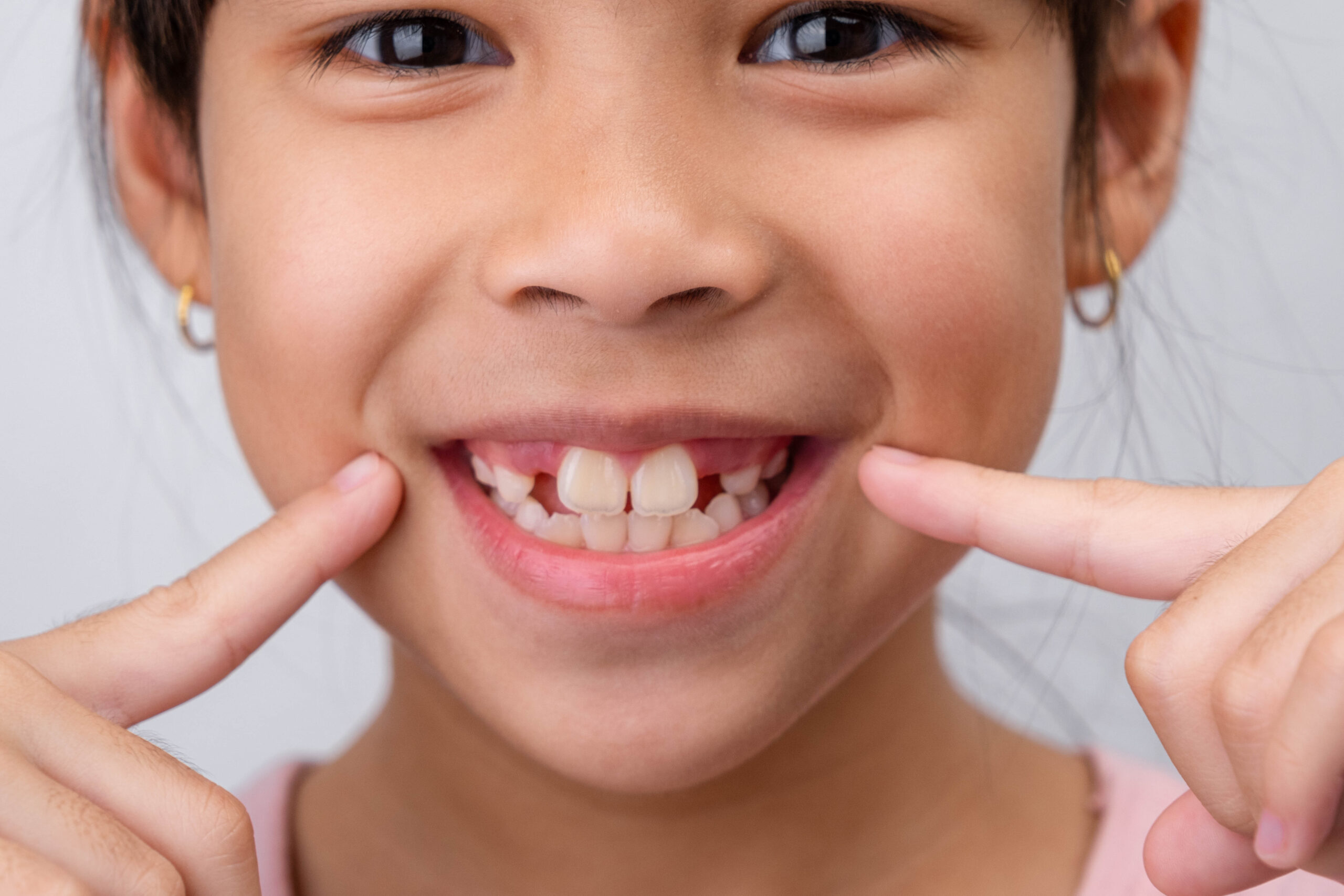
As a parent, you want your children to be healthy and happy, and while that includes oral health, you may believe that since they are young, their teeth and gums are not in danger.
What you may not realize is that dental issues can start surprisingly early in life. And problems that begin in childhood can affect everything from their nutrition and speech development to their self-confidence. Establishing good dental habits from a young age and being aware of potential issues can help set the foundation for a lifetime of healthy smiles.
Common Childhood Dental Problems
From cavities to misaligned teeth, children can face an unexpected range of dental health challenges. Early identification and intervention are key to managing these conditions effectively and preventing more significant problems later on.
Cavities
Tooth decay, or cavities, is the most common chronic disease of childhood. It occurs when bacteria in the mouth produce acids that eat away at a tooth’s enamel. Children are often at a higher risk for cavities due to diets that may be high in sugary snacks and drinks. In addition, since they are just learning oral hygiene habits, they might not be as effective at brushing and flossing as we may want them to be.
It is a misconception that cavities in baby teeth do not matter because the teeth will eventually fall out. Untreated decay in baby teeth can lead to pain, infection, and problems with the developing permanent teeth. Regular dental check-ups and cleanings, along with a consistent at-home brushing and flossing routine, are the best defense against tooth decay.
Bottle Rot
A specific form of severe decay in infants and toddlers is often referred to as early childhood cavities or “bottle rot.” This condition is typically caused by frequent, prolonged exposure of a young child’s teeth to drinks containing sugar. And, yes, milk and formula contain sugar. This often happens when a baby is put to bed with a bottle of milk, formula, juice, or another sweetened drink.
When a child falls asleep with a bottle, milk can pool around their teeth, providing an all-night sugar buffet for cavity-causing bacteria. This can lead to rapid decay, particularly in the front teeth. To prevent this, never put a child to bed with a bottle containing anything other than water. It is also advised to transition your child from a bottle to a cup by their first birthday.
Gingivitis
Gingivitis is the earliest stage of gum disease, and it can affect children. It is an inflammation of the gums caused by plaque buildup along the gumline. You may notice that your child’s gums are red, swollen, or bleed easily when they brush their teeth.
Poor oral hygiene is the primary cause of gingivitis. If brushing and flossing are not done effectively, plaque can accumulate and irritate the gum tissue. The good news is that gingivitis is reversible with professional dental cleanings and improved at-home care. Teaching your child proper brushing and flossing techniques is a critical part of preventing this condition.
Misalignment
Misalignment, meaning teeth that are crowded, crooked, or have other spacing issues, can be caused by genetics, habits like thumb sucking, or the premature loss of baby teeth. While misaligned teeth can be a cosmetic concern, they can also cause functional problems. Crowded teeth are more difficult to clean, which increases the risk for cavities and gum disease. An improper bite can also lead to issues with chewing, speech, and even jaw pain.
Your child’s dentist is the first line of defense when it comes to misalignment. We can evaluate and treat many spacing and alignment issues, or, if necessary, refer your child to a specialist to address more complex cases.
Persistent Bad Breath
Occasional bad breath is normal, but when it persists, it can be a sign of an underlying issue. In children, it is often caused by poor oral hygiene.
Ensuring your child brushes their teeth, gums, and tongue thoroughly twice a day can often resolve the problem. If the bad breath continues despite good hygiene, it is a good idea to schedule a dental visit to rule out other causes, such as cavities or gum inflammation.
Dental Trauma
Children are active, and falls or accidents are a common part of growing up. These incidents can sometimes result in dental trauma, such as a chipped, cracked, or knocked-out tooth. If your child injures a tooth, it is important to contact a dentist immediately. Quick action can often save the tooth or prevent further complications. For children who participate in sports, wearing a custom-fitted mouthguard is the best way to protect their teeth from injury.
Importance of Regular Appointments
Twice-per-year visits allow us to monitor your child’s growth and development, provide professional cleanings, and identify any potential issues before they become more serious.
If you have any concerns about your child’s teeth or it’s time for their next appointment, contact our office today!