


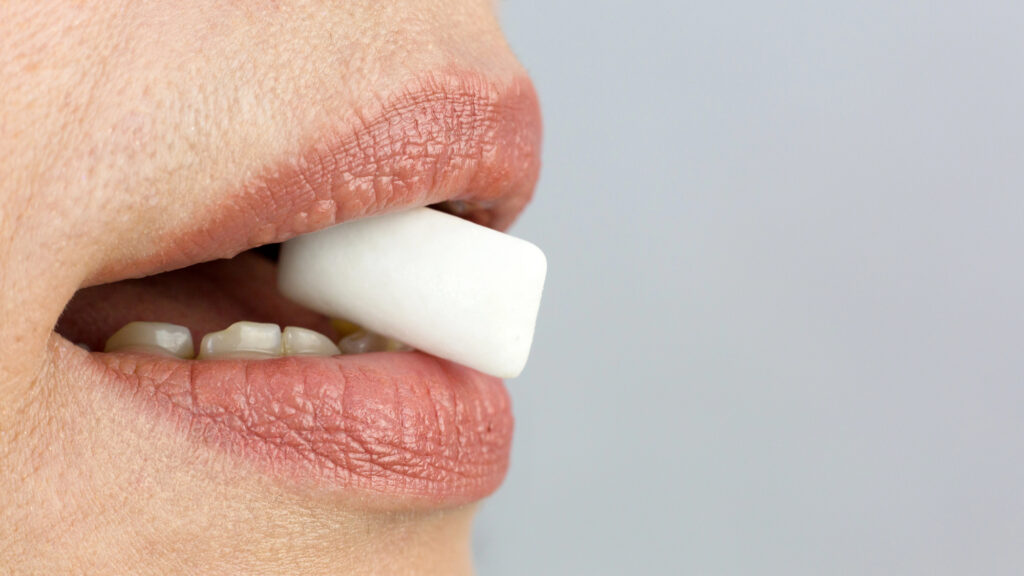
While a mint or chewing gum can offer a quick fix, if your bad breath keeps coming back, there is likely an underlying issue. If you find yourself frequently worried about bad breath, it is possible you are only masking a problem that requires a more direct approach.
Chronic bad breath is a common condition that affects millions of people. It is more than just embarrassing; it can often be a signal from your body that something significant is going on with your health.
Why Bad Breath Happens
Bad breath is something everyone experiences from time to time. A meal with garlic or onions, for example, can easily leave a noticeable impact on your breath. Or, maybe you just woke up and forgot to brush your teeth last night. This type of bad breath is considered transient. It is temporary, directly related to foods, drinks, or the time between brushing, and usually goes away once your body processes and eliminates the food’s odor-causing compounds or you brush your teeth.
However, when bad breath becomes a repeat issue instead of an occasional one, it often signals a more persistent underlying cause. Chronic bad breath, also medically known as halitosis, is frequently the result of an accumulation of bacteria on the teeth, gums, and tongue that break down food debris into byproducts responsible for the unpleasant odor. Beyond bacteria, chronic bad breath can also be linked to gum disease, dry mouth, certain medications, sinus issues, or even conditions like acid reflux.
Occasional bad breath caused by pungent foods or by forgetting to brush effectively once is quickly remedied with a quick rinse with mouthwash or a piece of chewing gum. But chronic breath issues call for a targeted approach to address the root problem rather than just masking the odor.
Start with Oral Hygiene for Every Type of Bad Breath
Good oral hygiene is your primary starting point, whether you’re managing occasional bad breath or working to resolve chronic issues. Brushing, flossing, and cleaning your tongue each play a role in reducing the sources of odor before they become a bigger concern.
- Proper Brushing: Brushing your teeth twice daily, for a full two minutes each time, helps remove food particles that cause bad odors directly or that fuel bacteria byproducts. Be sure to use a soft-bristled brush at a 45-degree angle to the gumline for best results.
- Flossing Every Day: Flossing (or using interdental brushes or a water pick) gets to the food particles and plaque that lodge between your teeth where your toothbrush can’t reach. These areas can harbor bacteria that lead to long-lasting bad breath if not cleaned each day.
- Cleaning Your Tongue: Don’t overlook your tongue! It is a magnet for food debris and bacteria to cling to. Using a dedicated tongue scraper or brushing your tongue with your toothbrush every day is an effective way to reduce odors.
- Regular Dental Visits: Twice per year dental visits should be a cornerstone of your dental hygiene routine. Professional cleanings are able to more thoroughly clean your teeth and gumline and can check for other oral health concerns.
Good oral hygiene habits address both short-term breath issues and the root causes of ongoing bad breath. However, if your bad breath persists even when your oral care is on point, it’s time to see a professional.
Your Diet and Your Breath
We’ve already noted that certain foods like onions and garlic are known to cause temporary bad breath. But when it comes to longer-lasting problems, other dietary patterns can directly affect your oral environment, resulting in chronic halitosis.
Sugar and Starch
Starch and sugar are the favorite fuels for the bacteria in your mouth. As these bacteria consume these, they multiply and produce more of the acids and compounds that lead to both cavities and bad breath. Limiting your intake of sugary and starchy foods (and drinks) can help control this bacterial growth.
Hydration and Saliva
Saliva is your mouth’s natural cleanser. It rinses away food particles and neutralizes acids. When your mouth is dry, bacteria and food debris can accumulate, leading to odor. Drinking water throughout the day helps you stay hydrated and supports healthy saliva production. Some medications can cause dry mouth as a side effect. If this is a concern, we can discuss products designed to help.
Bad Breath and Gum Disease
When plaque from left behind food particles and bacterial debris accumulates, it can harden into tartar. Tartar irritates gums, causing them to pull away from teeth and form hard-to-clean pockets that trap more food particles and bacteria, leading to a distinct, persistent odor.
If you have lingering bad breath and your gums are red, swollen, or bleed easily, it is important to schedule a dental visit. Treating the underlying gum disease is often the solution to eliminating the related bad breath. And while early gum disease is reversible, more severe periodontal disease may not be.
Other Potential Causes
While most bad breath originates in the mouth, it can sometimes be related to other health issues.
- Sinus Conditions: Post-nasal drip from allergies or a sinus infection can cause bacteria to build up on the back of the tongue, resulting in a persistent odor.
- Acid Reflux: Conditions like GERD may cause stomach acid to travel up into the esophagus, which can be a source of bad breath.
- Tobacco Products and Vaping: Both tobacco and vaping can contribute to bad breath by causing dry mouth, introducing chemicals into the oral environment, and promoting the growth of odor-causing bacteria.
- Failing Dental Repairs: Old or damaged crowns and fillings can create spaces where food and bacteria become trapped.
When to See Your Dentist
If you notice persistent bad breath even with a good home care routine, it’s time for professional intervention.
Don’t just keep relying on ineffective mints or gum, call to schedule an appointment today!