


Nutritional guidelines seem like they should be straightforward. But reducing complex, and sometimes contradictory, nutrition advice to an easy-to-digest infographic can be a challenge.
Our understanding of how food affects the human body is constantly evolving. And learning how these shifts affect your teeth and gums is an important part of maintaining a healthy smile.
What is the New Food Pyramid?
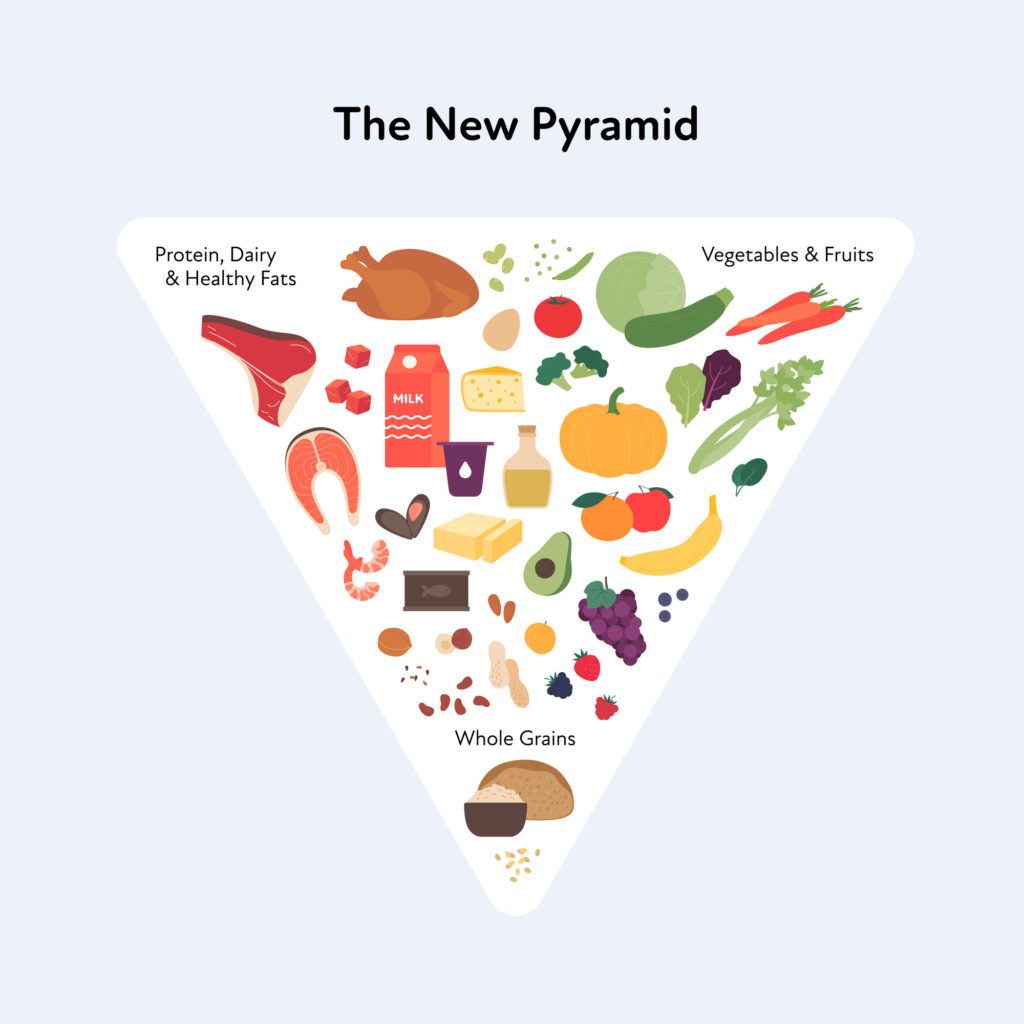
Recent changes in national nutritional guidelines have sparked interest across both medical and dental communities. The new FDA “inverse food pyramid” changes previous models by inverting traditional recommendations.
The new recommendations suggest that whole, unprocessed foods form the majority of the diet, while promoting limiting processed foods and sugars. This shift does more than promote general health. It has meaningful implications for the way we care for teeth and gums.
Focus on Whole Foods
At the top of the new pyramid, which is the largest proportion, are whole foods. This includes prioritizing protein intake as well as promoting dairy without added sugars and fruits and vegetables.
Protein
The new guidelines advocate for protein at every meal, highlighting options such as lean meats, fish, poultry, eggs, beans, and legumes. Protein is necessary not only for building and maintaining muscle but also for supporting tissue repair, including oral tissues.
Foods like chicken, turkey, fish, eggs, and plant-based proteins such as lentils and chickpeas provide the amino acids needed for strong gums and help with healing after dental procedures.
Dairy
Dairy products feature prominently in the updated pyramid, with an emphasis on unsweetened forms like milk, cheese, and yogurt. These foods are excellent sources of calcium and phosphorus, minerals vital for the formation and maintenance of strong tooth enamel.
Calcium helps fortify both teeth and jawbones, while phosphorus contributes to the repair and rebuilding of enamel. Making dairy a regular part of your diet can help prevent demineralization, reducing the risk of cavities.
Choose plain yogurt, regular milk, and natural cheeses, avoiding sweetened or flavored varieties that contribute added sugars.
Fruits and Vegetables
Fruits and vegetables are advised throughout the day, with a focus on whole, unprocessed options rather than juices or processed products.
Crunchy vegetables like carrots, celery, and broccoli act as natural cleaners, gently scrubbing teeth and stimulating saliva flow. Leafy greens such as spinach and kale deliver vitamins and minerals, including folic acid and vitamin C, which are important for gum health and for reducing inflammation in the mouth.
Whole fruits like apples and pears also provide fiber and hydration, while their natural sweetness can be a satisfying alternative to processed desserts. It is best to consume fruits in their whole form to maximize fiber and minimize concentrated natural sugars.
Limiting Grains and Processed Foods
Near the bottom of the new pyramid are whole grains. Processed foods are completely eliminated from the pyramid altogether.
Grains
The guidelines recommend that, while whole grains like brown rice, quinoa, and oatmeal can play a role in a balanced diet, they should be limited in comparison to protein, dairy, and produce.
Refined grains, such as white bread or pastries, are particularly discouraged because they break down quickly into sugars, which can fuel oral bacteria and contribute to the formation of acids that harm tooth enamel.
Other Processed Foods
Processed foods often contain hidden sugars and simple starches that are easily broken down by bacteria in the mouth. When these bacteria consume sugars, they produce acids as a byproduct. These acids soften and erode enamel, increasing the risk for cavities.
Examples of processed foods to minimize for dental health include:
- Sugary drinks (sodas, sweetened coffee, and energy drinks)
- Packaged snacks (chips, crackers, snack cakes)
- Candy and desserts high in added sugar
By limiting grains and processed foods, you reduce frequent exposure to sugars and acids that can compromise dental health. This supports a more stable oral environment, lowers your cavity risk, and encourages a stronger, healthier smile.
Diet and Your Oral Health
The new food pyramid has received some criticism for its more permissive stance on saturated fats and full-fat dairy. Even if you choose not to incorporate these change into your diet, we encourage you to incorporate lean proteins, healthy fats, fresh produce, and other whole foods into your diet.
If you have any questions about how diet impacts your oral health, feel free to ask at your next dental appointment!