
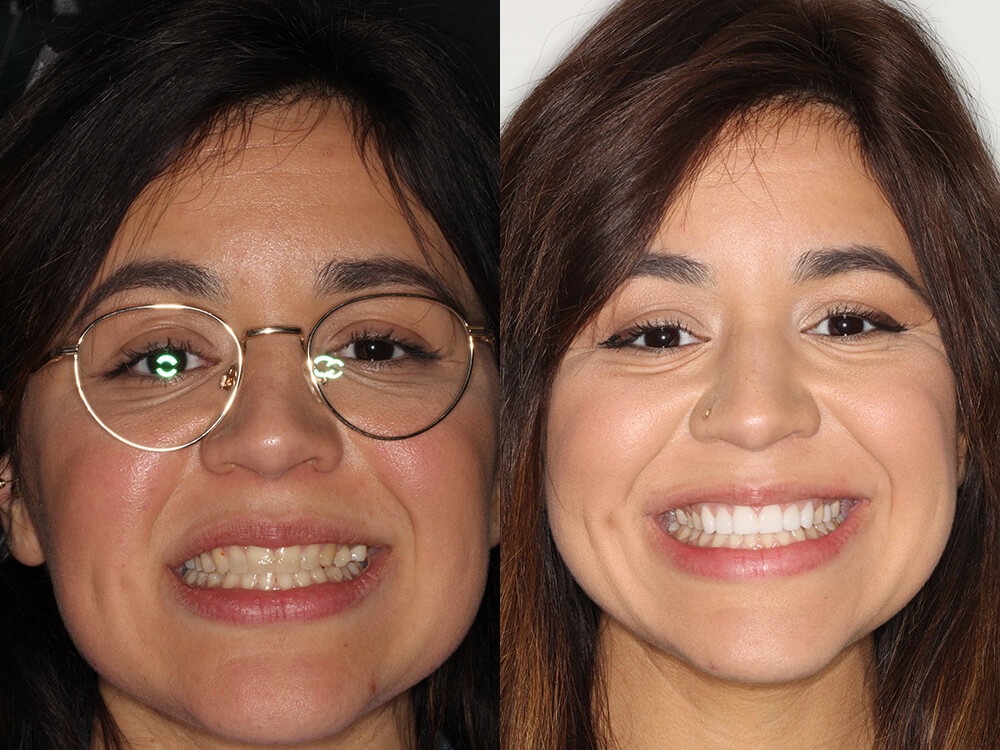
You might never leave the house without sunscreen, invest a small fortune in anti-aging serums, and even get regular Botox injections, all in an effort to keep the years from showing on your skin. And while a few gray hairs or new lines around your eyes might be the signs of aging you expect, your teeth are often quietly aging right along with you. Discoloration, wear, and even changes in the shape of your jawline can all trace back to what is happening inside your mouth.
The good news is most of these changes are not something you simply have to accept. In fact, improving your teeth might be one of the most effective ways to look years younger almost instantly.
The Ways Teeth Give Away Your Age
As the years go by, some of these changes are more noticeable than others. Here are a few of the most common ways aging tends to show up in your smile.
- Yellowing or dullness: The white enamel on your teeth naturally thins over time, and stains from coffee, tea, and other foods become more visible as it does.
- Shorter-looking teeth: Grinding and years of normal chewing gradually wear down the biting edges of teeth. This can leave them looking shorter and less defined than they used to be.
- Gum recession: Gums can pull back from the tooth over time, exposing more of the root underneath. This often makes teeth appear longer and can also lead to sensitivity.
- Gaps or shifting: Teeth can shift slightly over decades, even for people who never needed braces, leading to new gaps or crowding.
- Missing teeth: A missing tooth affects more than the smile itself. The jawbone that once supported it is no longer stimulated by chewing, and it can begin to change shape over time.
Why Your Teeth Age
There are several reasons your smile can age you, and most of them come down to what is happening beneath the surface of your teeth and gums.
Enamel is the hard, white outer layer of each tooth, and underneath it sits a layer called dentin, which is naturally more yellow. Enamel wears thin with age, acid exposure, and grinding, and as it does, more of that darker dentin shows through. This is a big part of why teeth appear to yellow with age, even in people with excellent oral hygiene.
The pressure from chewing and talking is constantly at work on your teeth, and as supporting structures like gums and bone naturally change with age, teeth can gradually drift, leading to new gaps or crowding that were not there before. Similarly, aggressive brushing, tooth grinding, and everyday wear can cause gums to recede slowly, often without any pain to signal that it is happening.
Tooth loss goes beyond the gap it leaves behind. When a tooth is missing, the jawbone that once supported it is no longer stimulated by chewing and begins to lose density. Over time, this bone loss can allow the cheeks and lips to lose some of their support, which is part of why missing teeth, especially several in a row, are often linked to a sunken look around the mouth and lower face. This can happen even when the missing tooth isn’t visible when you smile.
What You Can Do About It
The changes above are not necessarily permanent. Depending on the cause, there are a number of ways to address them.
Tooth Yellowing and Discoloration
For surface-level yellowing, professional teeth whitening is often enough to make a noticeable difference. It will not change deeper, internal discoloration, but for most everyday yellowing, it is a fast and effective place to start.
Restoring Shape and Length
When teeth have worn down or lost their natural shape, options like dental bonding, veneers, or Lumineers can restore length and shape. Porcelain crowns may be recommended instead when a tooth has more significant wear or structural damage that needs additional support.
Gaps and Spacing
For teeth that have shifted or created new gaps, Invisalign can gradually move them back into better alignment, closing gaps and correcting crowding without traditional braces.
Replacing Missing Teeth
If a missing tooth is contributing to changes in your bite or facial shape, dental implants can replace both the tooth and its root, which helps preserve the jawbone underneath.
Small Habits That Help
A few everyday habits can also help slow down these changes.
- Wear a nightguard if you grind your teeth while you sleep
- Brush gently with a soft-bristled toothbrush to protect both enamel and gums
- Limit acidic foods and drinks, or rinse with water afterward
- Keep up with regular dental visits so changes can be caught early
If you have noticed changes in your smile that bother you, whether it is color, shape, spacing, or something else, we can help you figure out which cosmetic dental treatments make sense. Before you make that next Botox appointment, contact our office to schedule a consultation.