
If you’re missing a tooth and weighing your options, your research will probably show you that dental implants are considered the “gold standard” when it comes to tooth replacement.
And it’s true, there are quite a few benefits if you choose to invest in the implant option. But are they the longest-lasting choice?
Here’s a real answer, along with what actually determines how long your implant will hold up.
What to Expect From Your Dental Implant
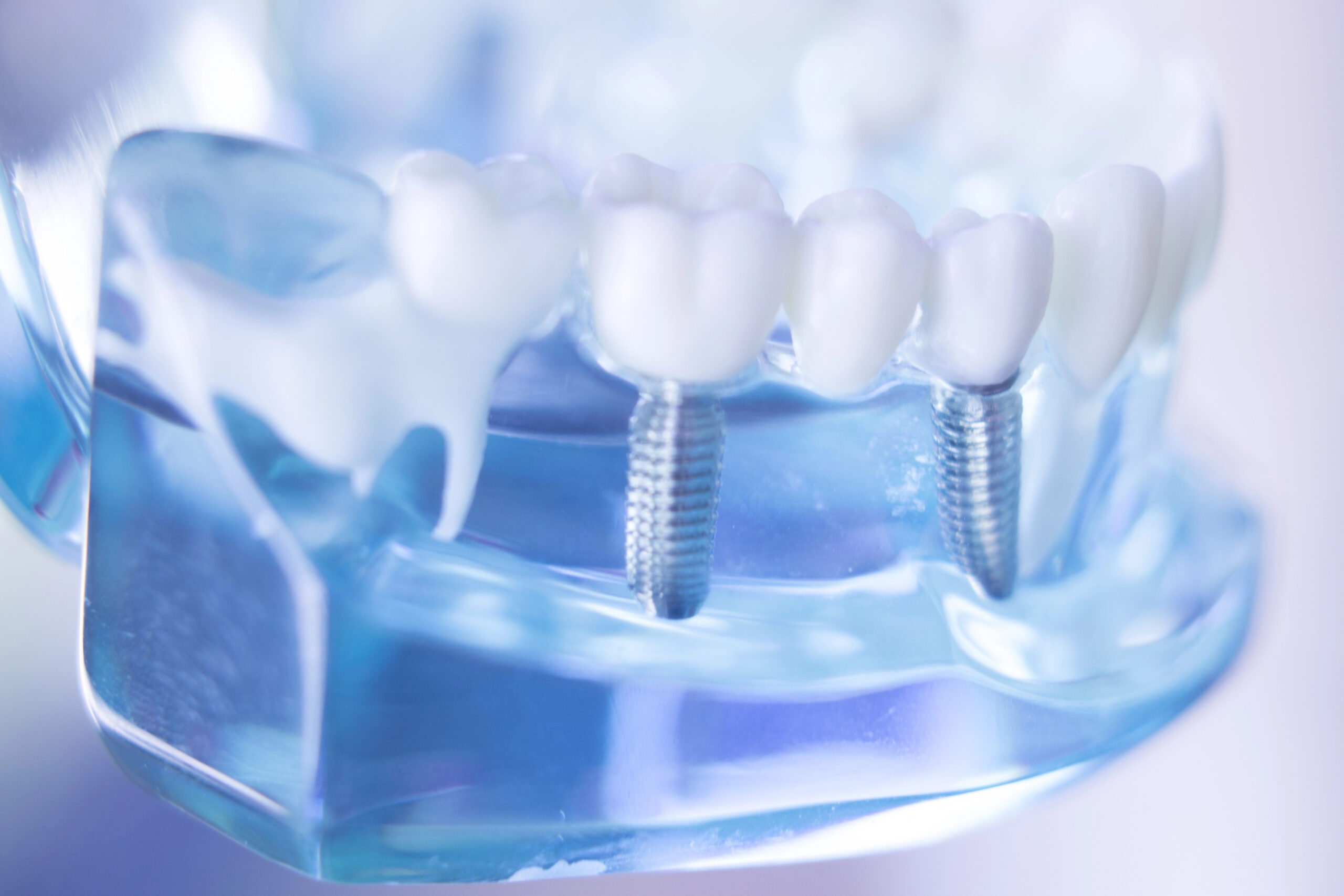
The titanium implant itself, the part that fuses with your jawbone, can last a lifetime. It’s the closest thing dentistry has to a permanent tooth root replacement. But an implant isn’t just one single piece of equipment. A custom dental crown is attached on top of the titanium implant, and this portion of your replacement tooth (or teeth) can have a somewhat shorter life expectancy.
Implants are Built to Last
Titanium is highly biocompatible, meaning your jawbone doesn’t just tolerate it; it actually fuses to it over the months following placement, in a process called osseointegration. Once that fusion occurs, the implant functions much like a natural tooth root, anchored directly into the bone rather than resting on top of it.
That fusion means that the titanium portion of an implant, in some cases, can even hold up better than natural teeth over time. There’s no organic material for bacteria to break down, so an implant itself can’t develop a cavity the way a natural tooth can. Barring an injury or complication, that titanium post is designed to stay put for good.
Not All Dental Implants Last Forever
While the titanium post is unlikely to fail during your lifetime, the part of the implant you actually see and chew with doesn’t have that same advantage. As we mentioned, the implant itself supports a crown, bridge, or even a full set of dentures.
This part of the implant is made of durable materials that look just like natural teeth; however, they are not quite as strong as the titanium underneath. In addition, the exposed portion of your implant takes on years of biting, grinding, and everyday wear the same way a natural tooth would.
Over time, the material can chip, wear, or even loosen. However, even though the crown or denture does not last forever, it can be expected to last decades if cared for properly. And luckily, if they do need to eventually get replaced, the process is much simpler as the titanium base on which the restoration sits is already in place.
What Impacts Dental Implant Lifespan
Here are some of the most common factors that can influence the lifespan of your dental implant or implant-supported dentures.
- Gum disease: The implant replaces your tooth, but living gum tissue still surrounds it. Gum disease can happen when plaque builds up around the implant site (the same way it would around a natural tooth). Left untreated, it can lead to bone loss and, in more serious cases, implant failure.
- Smoking and Vaping: Nicotine use slows healing and reduces blood flow to the gums, both of which make it harder for the implant to integrate with the bone and stay properly integrated over time.
- Teeth grinding or clenching: Excess pressure is one of the most common reasons a crown chips or wears down early, and over time it can also stress the post underneath it.
- Insufficient bone at the time of placement: If there wasn’t enough healthy bone to support the implant initially, it may not fuse as securely, which can shorten its lifespan from the start.
Most of these are things your dentist will screen for before treatment even begins, and several are within your control afterward.
Keeping Your New Tooth Healthy for Years to Come
The good news is that caring for an implant isn’t much different from caring for the rest of your smile. A few habits go a long way toward protecting your investment:
- Brush and floss around the implant just as you would a natural tooth, using an interdental brush or water flosser if it’s easier to reach.
- Keep up with your regular professional dental cleanings, since your hygienist can catch early signs of inflammation around the implant before they become bigger problems.
- Wear a nightguard if you grind or clench your teeth.
- If you smoke or vape, know that quitting is one of the most effective things you can do to protect your implant and your natural teeth.
Is an Implant the Right Choice for You?
When properly placed and cared for, a dental implant can genuinely last the rest of your life, making it one of the most reliable long-term investments you can make in your smile.
If you’re considering implants to replace a missing tooth, or even your full smile, we’re happy to walk you through all your options. Give our office a call to schedule a consultation.