


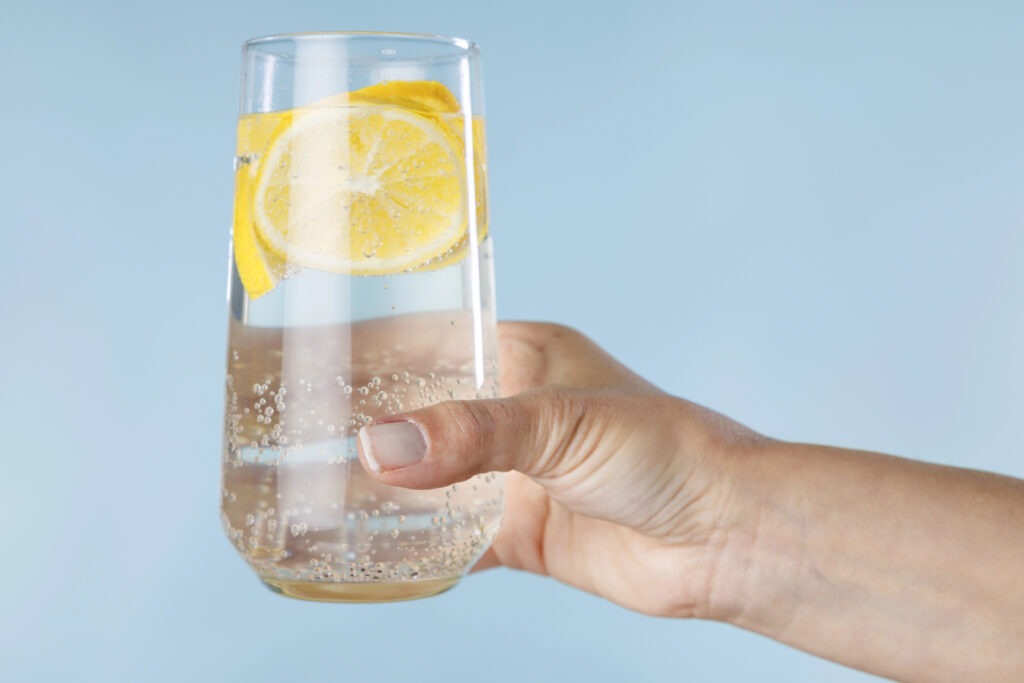
Many people choose carbonated water and hard seltzers as a healthier alternative to sugary sodas or calorie-filled cocktails. But are these choices actually better for your smile?
While seltzers might not be as bad for you as certain other beverages, they still pose risks to your teeth. But, as always, with a little bit of knowledge, you can enjoy your favorite drinks without compromising your smile.
How Carbonation Affects Your Mouth
Seltzer is simply water infused with carbon dioxide gas. This process creates the refreshing bubbles, but it also creates a chemical byproduct called carbonic acid. This acid is what gives carbonated drinks that little bit extra that makes them taste slightly different than water.
Introducing acid into your mouth lowers your oral pH level. When your mouth becomes more acidic, it can impact your tooth enamel over time. This process is known as enamel erosion. And, while a single seltzer will not significantly impact your smile, making carbonated water your primary source of hydration can lead to cumulative damage over months and years.
Furthermore, some non-alcoholic seltzers contain hidden sugars. When you consume sugar, the naturally occurring bacteria in your mouth feed on it and produce even more acid as a byproduct. This leads to plaque buildup and a significantly higher risk of developing cavities. Always read the nutrition label to check for added sugars or sweeteners that might harm your teeth.
Comparing Carbonated Beverages
Not all fizzy drinks are created equal, especially when it comes to dental health. It’s helpful to understand the differences between various types of sparkling beverages and how each one affects your teeth.
Sparkling Water
Sparkling water is naturally or artificially carbonated water with no added ingredients. While it’s less acidic than sodas, the carbonation still produces carbonic acid, which can temporarily soften enamel. If you enjoy plain sparkling water, it’s typically a safer choice than other sweetened or flavored beverages. Just not quite as safe as plain still water.
Seltzer
Seltzer is similar to sparkling water but is always artificially carbonated and may include natural flavors. Flavored seltzers (especially citrus options like lemon, lime, grapefruit, or orange) often contain added citric acid, which increases their erosive potential. Research shows that flavored sparkling waters can erode enamel nearly as much as fruit juices if consumed often.
Club Soda
Club soda contains added minerals to enhance flavor, such as sodium bicarbonate, potassium sulfate, or sodium chloride. While these minerals won’t harm enamel directly, they don’t neutralize the effects of carbonation. Club soda’s acidity is similar to standard seltzer, so it should be enjoyed in moderation and ideally not sipped all day, every day.
Tonic Water
Some people think tonic and seltzer or club soda are interchangeable. But unlike other sparkling beverages, tonic water contains quinine for bitterness and (surprisingly to some) is typically sweetened with quite a bit of sugar or high-fructose corn syrup. The sugar content in tonic water can be as high as some sodas. The combination of sugar and acid makes tonic water the harshest option for dental enamel among non-alcoholic carbonated drinks.
Alcoholic Seltzers
Hard seltzers have grown in popularity for their appealing taste and low calorie count. However, in addition to carbonic acid and added flavors, these drinks contain alcohol. Alcohol acts as a diuretic and can lead to dry mouth. As a result, acids remain on teeth longer, increasing enamel erosion and risk for decay. In addition, many hard seltzers have hidden sugars or artificial sweeteners, creating further problems for your dental health.
Smart Habits for Enjoying Carbonated Drinks
You do not have to give up your favorite carbonated drinks entirely. By adopting a few simple habits, you can enjoy seltzers while minimizing the risk to your teeth.
- Use a straw: Drinking through a straw bypasses your teeth, significantly reducing direct contact with your enamel.
- Rinse with water: After finishing a seltzer, drink a glass of regular, uncarbonated water. This helps rinse away the remaining acids and stimulates healthy saliva production.
- Wait before brushing: It is a good idea to wait at least 30 minutes to an hour after drinking a seltzer before you brush your teeth, since the acid temporarily softens your enamel.
- Pair with food: Chewing stimulates saliva production, so drinking your seltzer with a meal lessens its impact.
Regular professional cleanings and dental exams allow us to monitor your enamel and catch any early signs of erosion or decay. Call to schedule your next appointment today!